




NOTE: This article appeared in the November 10, 2025 edition of CC Daily.
Dear Winner of the Mega Millions Jackpot Lottery:
Congratulations, and WOW!
After the longest streak without a jackpot winner since the game began in 2002, with a haul of $843 million, even after federal and state taxes, you’ll be pocketing a whopping $392 million or so. Not bad for dropping a few bucks on a Slurpee and a “Quick Pick” ticket at Cumby’s.
By now, you’re probably already hearing from a steady stream of lawyers, realtors, financial advisors, charities, and relatives you didn’t even know you had.
I realize you have a lot of choices to make right now about how to invest, donate, and spend your newfound fortune, so let me help you out just a little bit by making one of those decisions easy:
Donate a million bucks to a college where it will really do some good; and while you’re at it, forget about Harvard and consider Northern Essex Community College.
Or Roxbury Community College, Bunker Hill Community College, Mount Wachusett Community College, or Springfield Technical Community College.
Any community college, really, anywhere in Massachusetts or across America. We all have needy students; it just happens that these four have some of the poorest student bodies among the 114 colleges and universities in the Commonwealth.
About a quarter of our students come from the bottom fifth of family incomes, earning $20,000 or less a year, while less than 10% come from the top fifth, earning $110,000 or more a year.
Meanwhile, rich students at Harvard University outnumber low income students 23 to 1.
No, that wasn’t a typo. At Harvard, only about 3% of students come from the bottom fifth of family incomes, while 70% hail from the top.
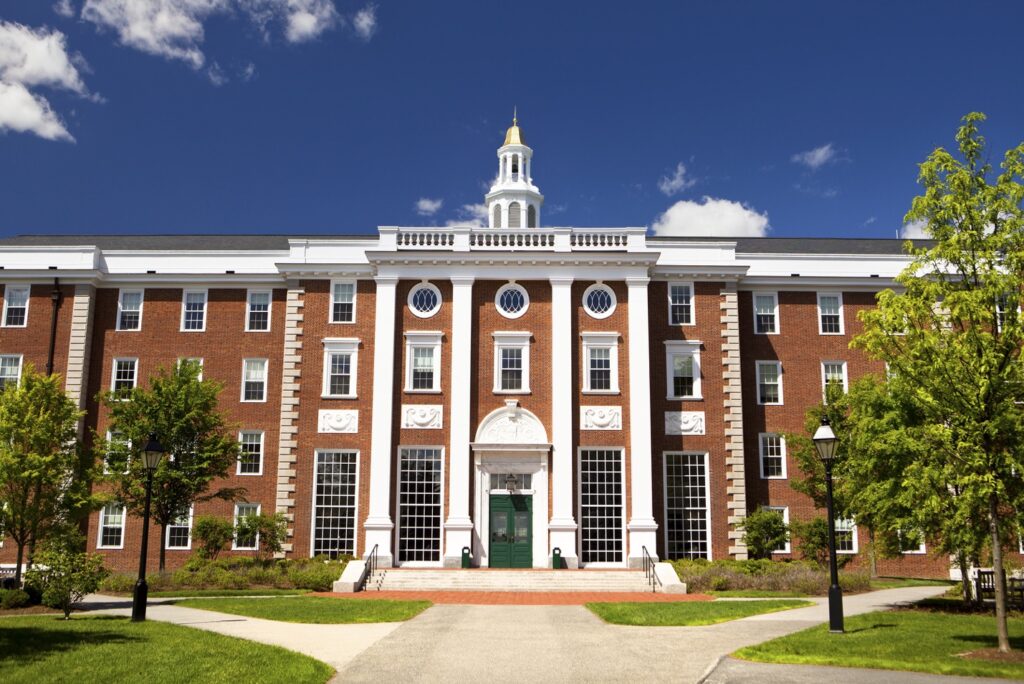
What Your $1 Million Will Buy at Harvard
Harvard University’s endowment, already the largest in the world, grew 7.5% last year to a record $57 billion.
So, if you did decide to write them a check, your $1 million donation to the Harvard Crimson would increase the vaunted university’s endowment by a barely noticeable .000018 percent.
That’s not a major gift, it’s a rounding error.
The approximate cost of attending Harvard, including tuition, fees, books, room and board is $88,000 a year. Since the overwhelming majority of Harvard’s students come from wealthy families, they do not receive need-based federal or state financial aid. Many pay full freight.
However, thanks to its enormous endowment, the university itself offers generous financial assistance to about 55% of its students, so the typical out-of-pocket cost for undergraduates attending Harvard is around $18,000.
Assuming a generous 5% average rate of return on the $1 million you sent Harvard, your donation would generate about $50,000 a year and cover the cost of 2.8 already pretty well-heeled undergrads (who are probably the third or fourth generation in their families to attend college).
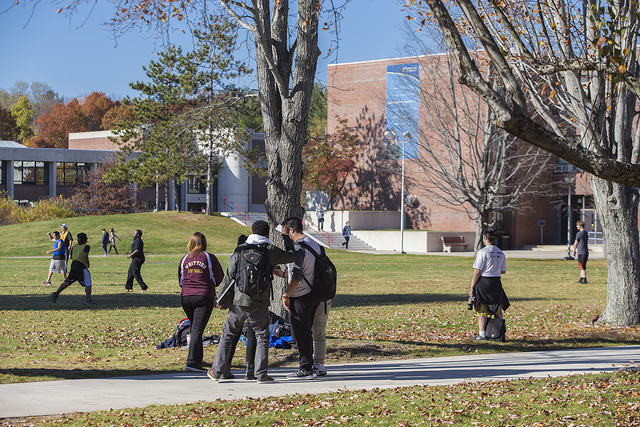
What Your $1 Million Will Buy at Northern Essex Community College
Like most community colleges, we have a relatively modest endowment—about $9,000,000 as of this afternoon.
The state’s Endowment Incentive Program will match $1 for every $2 raised for our endowment, which means your $1 million donation to the NECC Foundation will actually be $1.5 million, and will increase our endowment by 17%.
That’s not a rounding error, it’s a game changer.
While NECC is recognized as a “public” college in the state of Massachusetts, the reality is that this year, 55% of our annual $86M operating budget comes from tuition, fees, grants, fundraising, entrepreneurial activities like corporate training and renting facilities, and other college-generated sources. The state is providing the other 45% in the form of a direct appropriation.
On paper, we are more than half private.
Thankfully, for the last couple of years, the state has also increased financial aid available to all public college and university students in Massachusetts, and, through the MassReconnect and MassEducate programs, made community college tuition and fees free for most students.
While for the lowest-income students, tuition and fees were already free, since the value of a federal Pell Grant typically covers the direct cost of attendance, Massachusetts’ free community college programs have opened the doors wider to students who may not have thought a college education was even possible for them.
The total annual cost of attending NECC for an in-state student, including tuition, fees, books and living expenses, is around $24,000 (considerably less than the ivy-covered campus in Cambridge), and after financial aid, which most of our students receive, their typical out-of-pocket expenses are $5,573.
More than 75% of our students work one or more jobs for thirty or more hours a week, on top of classes and sometimes caring for family members, so even that amount can be a steep hill to climb. And that annual estimate of living expenses is just that: an estimate. We don’t have dormitories and cafeterias, and students on our campuses often struggle with food and housing insecurity.
The $75,000 generated each year by your $1 million gift matched with $500K from the state’s Endowment Incentive Program will cover the total cost of an associate’s degree for more than a dozen NECC students.
But wait, it gets better.
According to the “Equality of Opportunity Project,” a national study of social mobility based at Harvard, NECC is one of the most successful higher education institutions in Massachusetts at leveling the playing field: After their education, 20% of our students move up two or more income percentiles and find careers, incomes, and lives for themselves better than where they started.
Harvard itself? Only 11%.
All those students who complete associate’s degrees at NECC can expect to earn around $10,000 more per year than high school graduates, or around $400,000 in a lifetime—more than enough to buy a home—and a piece of the American Dream—in Haverhill or Lawrence.
And just one more quick piece of math: Your $1 million is helping more than a dozen students every year earn their degrees. Over the next forty years, that’s nearly 500 students, all improving their livelihoods and their lives by $400,000 or more, for $200M in additional income.
Their children are almost certain to go to college, too, breaking the vicious cycle of generational poverty; and helping to lift up the entire community.
Down in Cambridge, your name, lucky winner, may appear in small print as a footnote in the annual ledger of thousands of dutiful donors.
But up here in the Merrimack Valley, where a million dollars still means a lot, your name will be in the hearts and minds of the thousands of people whose lives you’ve changed for the better.
And if you’re interested, we’ll even name a building for you—take your pick.
Congratulations again, and may you invest wisely.

